It is impossible to educate the mind without involving the body. Learning is thinking and movement integrated.
Dr. Maria Montessori
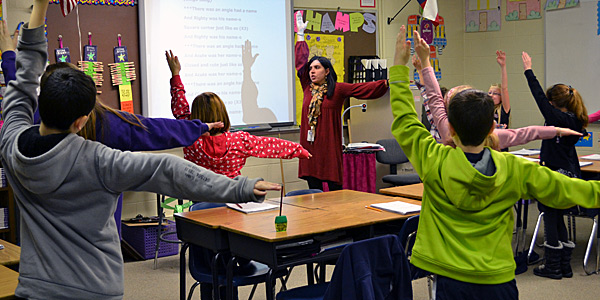
I often find myself wondering how I ever managed to sit in class after class for seven straight hours without feeling like I was going to jump out of my seat. When I sat through lecture after lecture, sometimes I felt like there was no end in sight. I can vividly remember the times in middle and high school where my teachers designed lessons that kept us moving around the room and out of our seats. While sometimes the activity felt a bit pointless, many times my entire class was appreciative of the reprieve from motionless lessons. There is no end to the importance of incorporating movement into classrooms whenever applicable. Further, it is even more necessary to incorporate movement with the growing use of devices in schools.
Allowing students the freedom to move around their classroom has numerous benefits. There is growing research that supports the idea that movement improves cognitive functions. Associating gestures with new material, and constantly reinforcing the use of the gestures, is known to help improve memory. For instance, my pre-calculus teacher helped us remember what different functions looked like by shaping her arms to match the graphs. It was a moment of both education and laughter; in fact, there are several pictures of my classmates standing together to form sine and cosine graphs because it was a funny and memorable lesson. Such a simple act of just moving our arms in different directions was impactful. When learning is enjoyable, students remember better.
Movement is also a great way to develop and support social skills. When students sit at their seats and listen to a lecture, there is little communication between peers. It is easy to create lessons that link group work and discussions to moving around the classroom. It is simple to develop four corners, each with a different discussion question and have students walk around the room talking about their answers or opinions. Perhaps each student will write their remarks on a large piece of paper that will later be displayed. Another easy incorporation is to plant different pieces of information around the classroom that the students must collect and collectively work to fit them all together. Even keeping it as simple as requiring students to walk about the room and solve different math or chemistry equations allows collaboration.
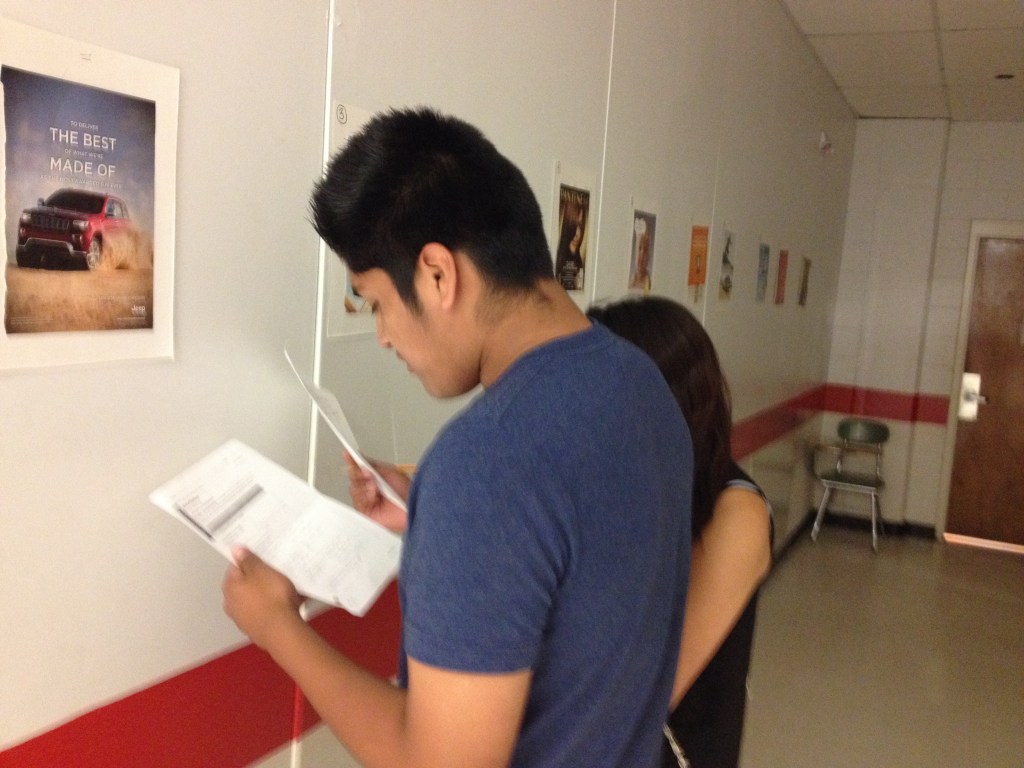
As devices spread throughout classrooms, it is easier than ever for students to stay glued to their seats. Physical movement is pushed aside to incorporate technology instead. However, there is no reason that the two cannot work together to create an even more effective classroom. Students can bring their devices along with them as they move throughout the room, perhaps researching a different topic at each center. If the teacher wishes to have even more interconnection, they can require that the students record a video with their device that involves dance, demonstration of a math problem, reenactment of a scene, or a historical event. Anything that gets students on their feet and using their environment and available resources is worth incorporating into lessons.
Above all else, movement breaks up the monotonous routine of sitting, taking notes, reading books, or typing essays. Even a five-minute break of walking around the classroom can be enough to help students refocus their energy and prepare for the rest of their day. If movement can be used to help students memorize and comprehend new information, it is only logical to make use of it. When teachers put the extra effort into designing a lesson that is outside of the norm, they are ensuring their students will remember that day.
 Jessica's Blog: The Learning Curve of Teaching